From Pixels to 3D Understanding
Computer Vision Study Plan
A comprehensive 14-week curriculum covering fundamental and advanced topics in computer vision with interactive p5.js visualizations.
14
chapters
59
topics
5
timed tests
The path
4 phases, in the order we recommend.
- 1
- 2
Foundations
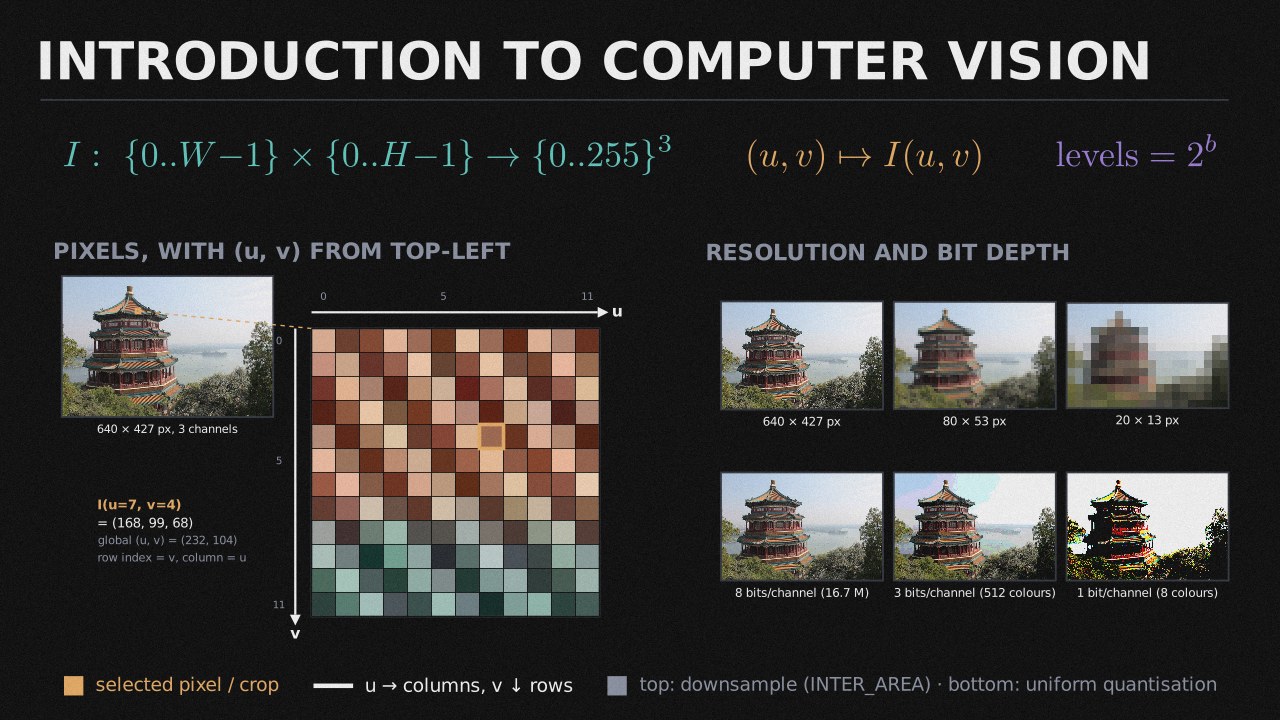
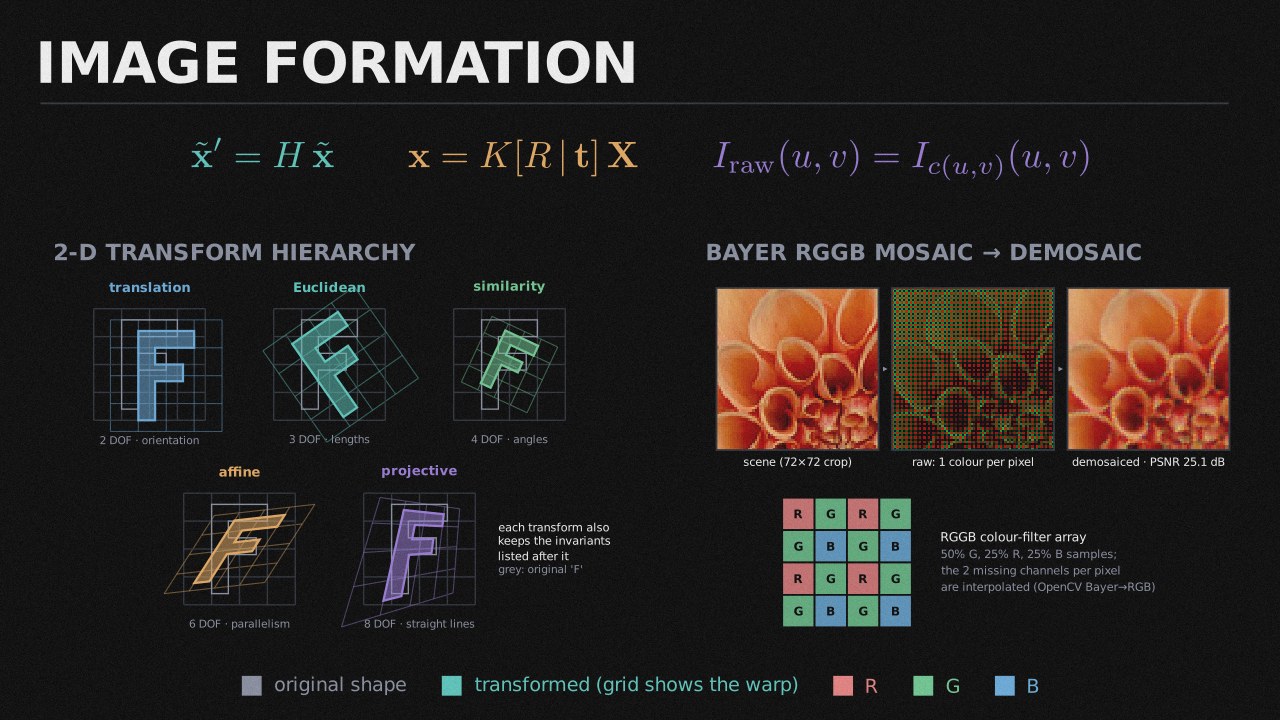
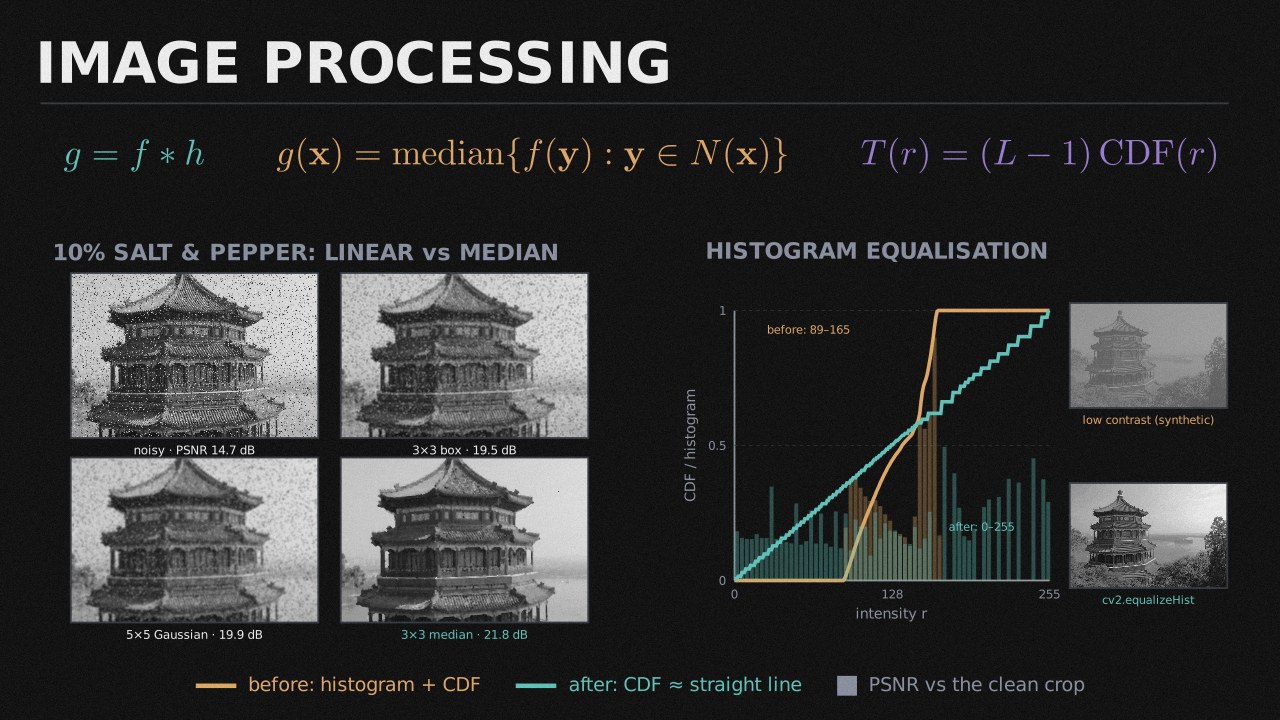
Weeks 1-4Ch 1-2: Introduction & Image FormationCh 3: Image ProcessingCore concepts: pixels, transformations, filtering
- 3
Core CV
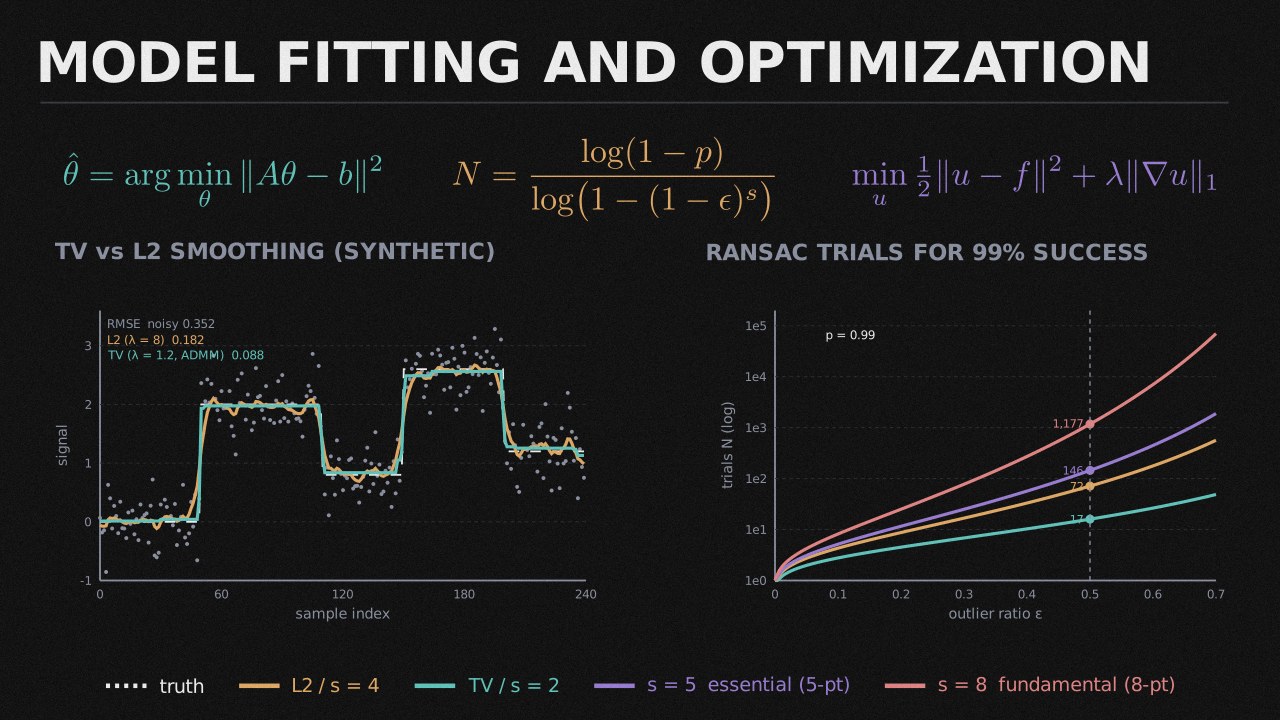
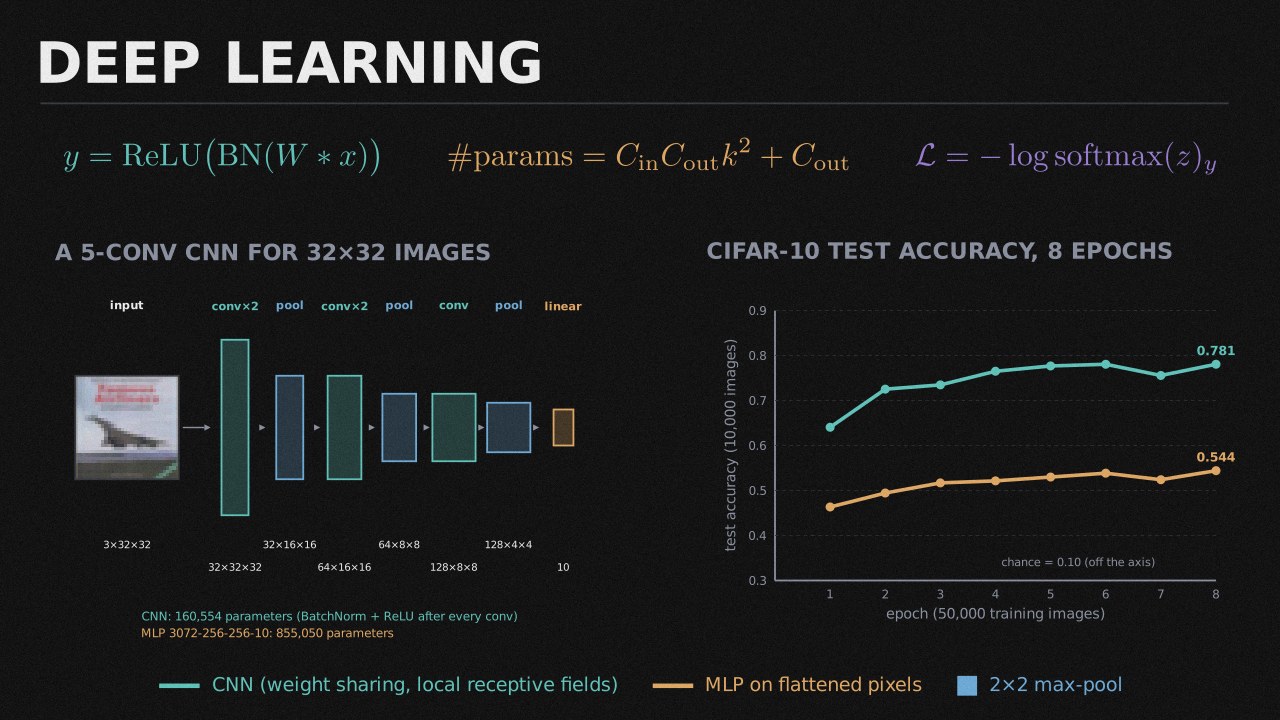
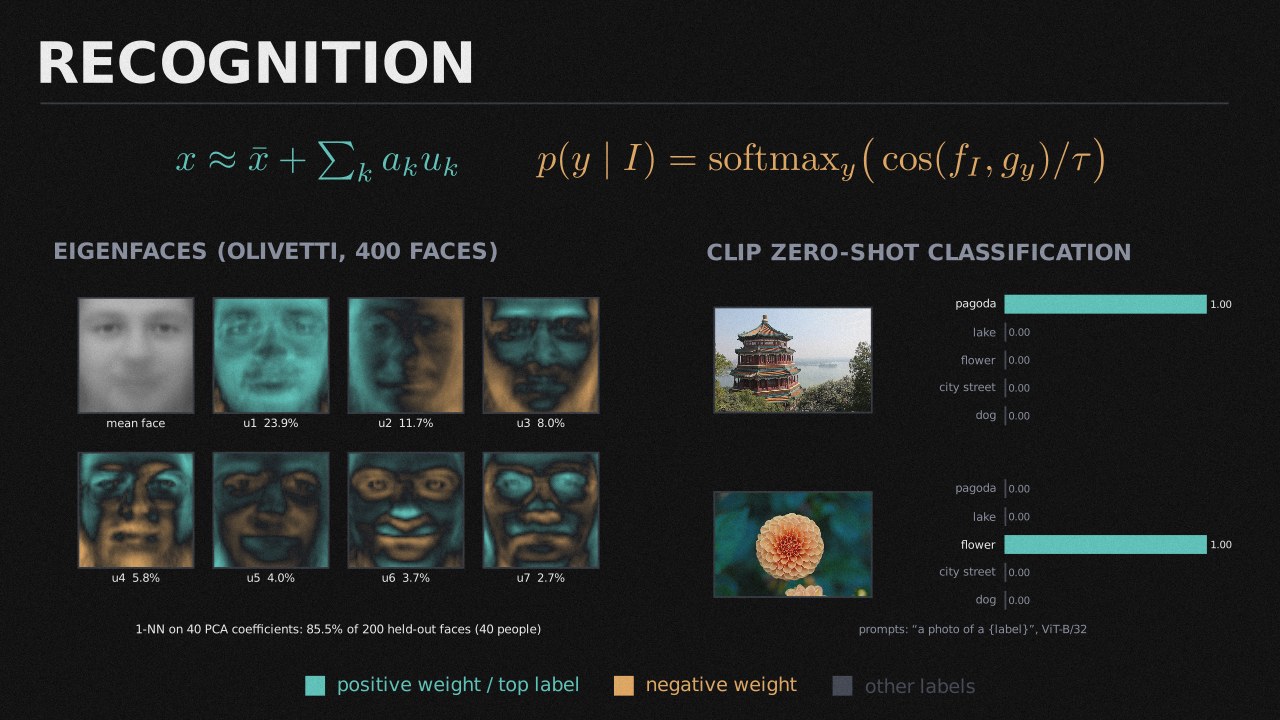
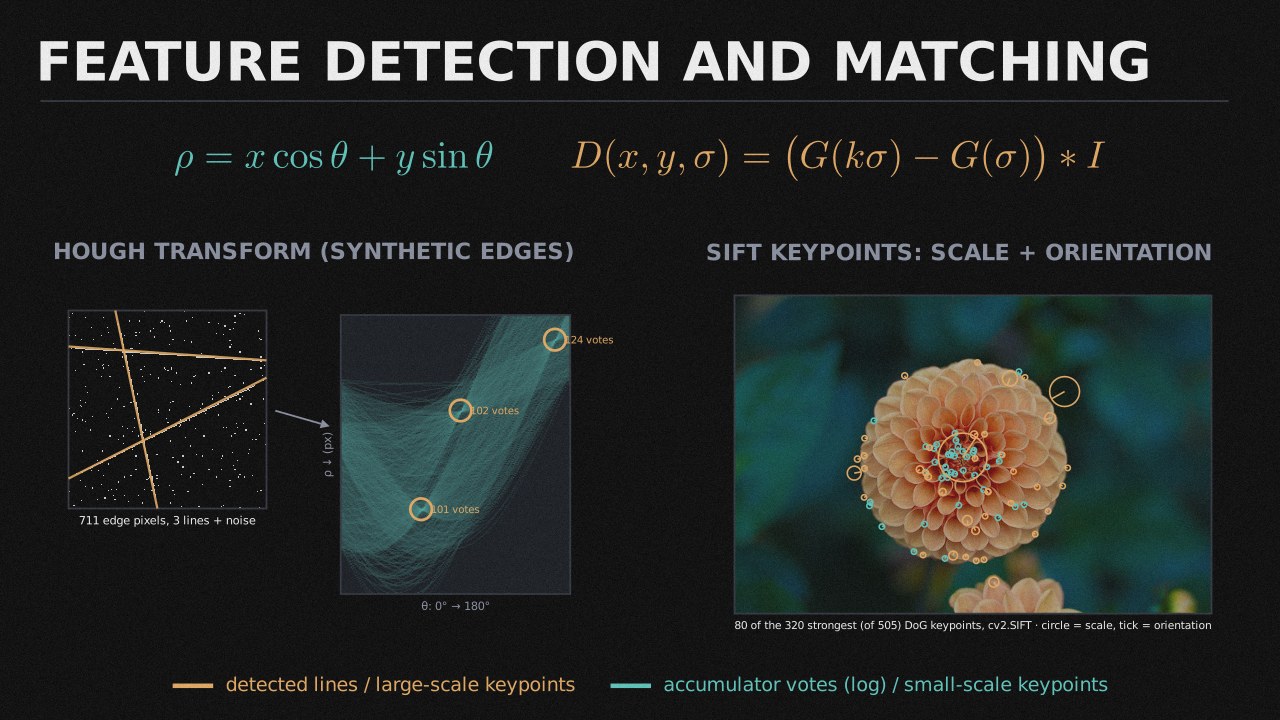
Weeks 5-8Ch 4-5: Optimization & Deep LearningCh 6-8: Recognition & FeaturesNeural networks, detection, segmentation
- 4
Advanced
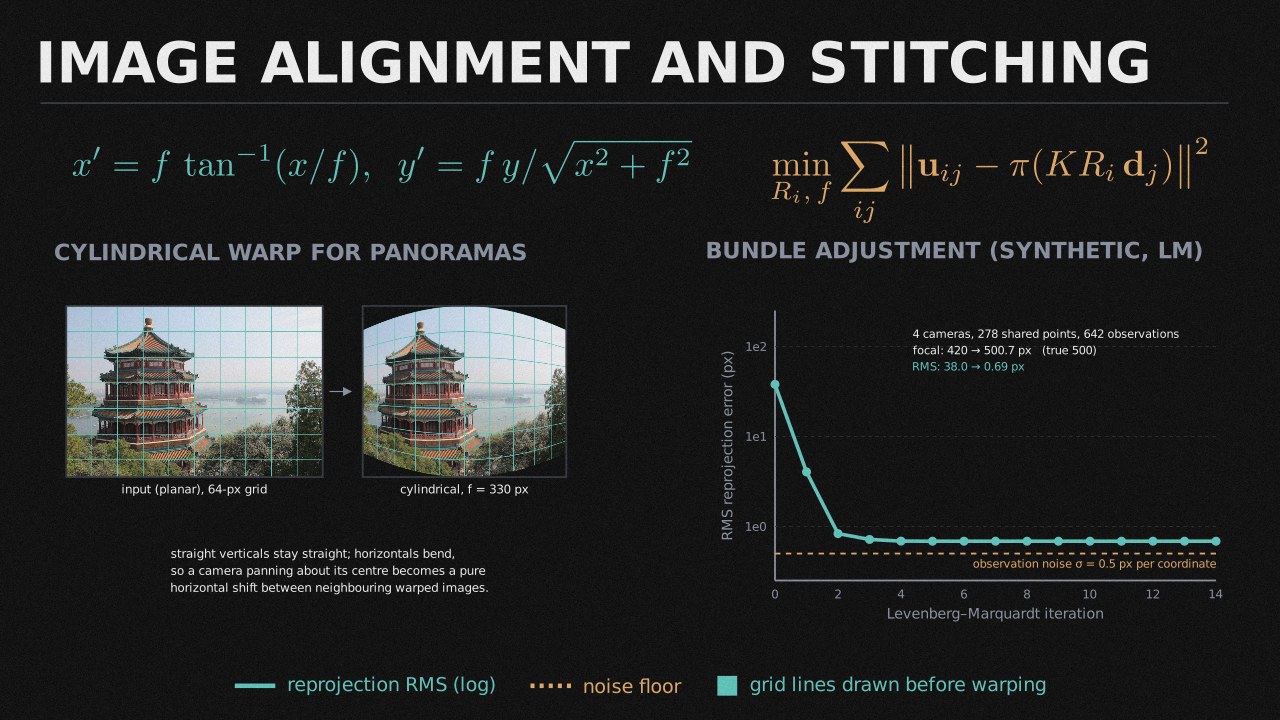
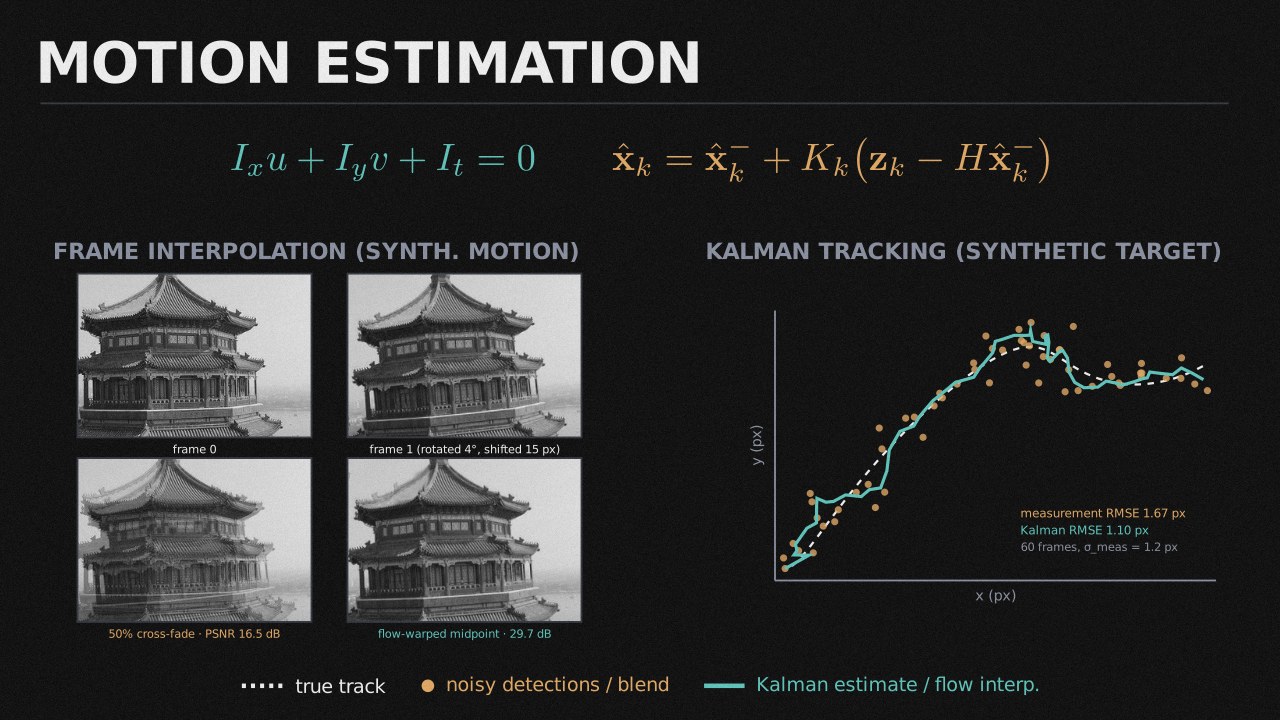
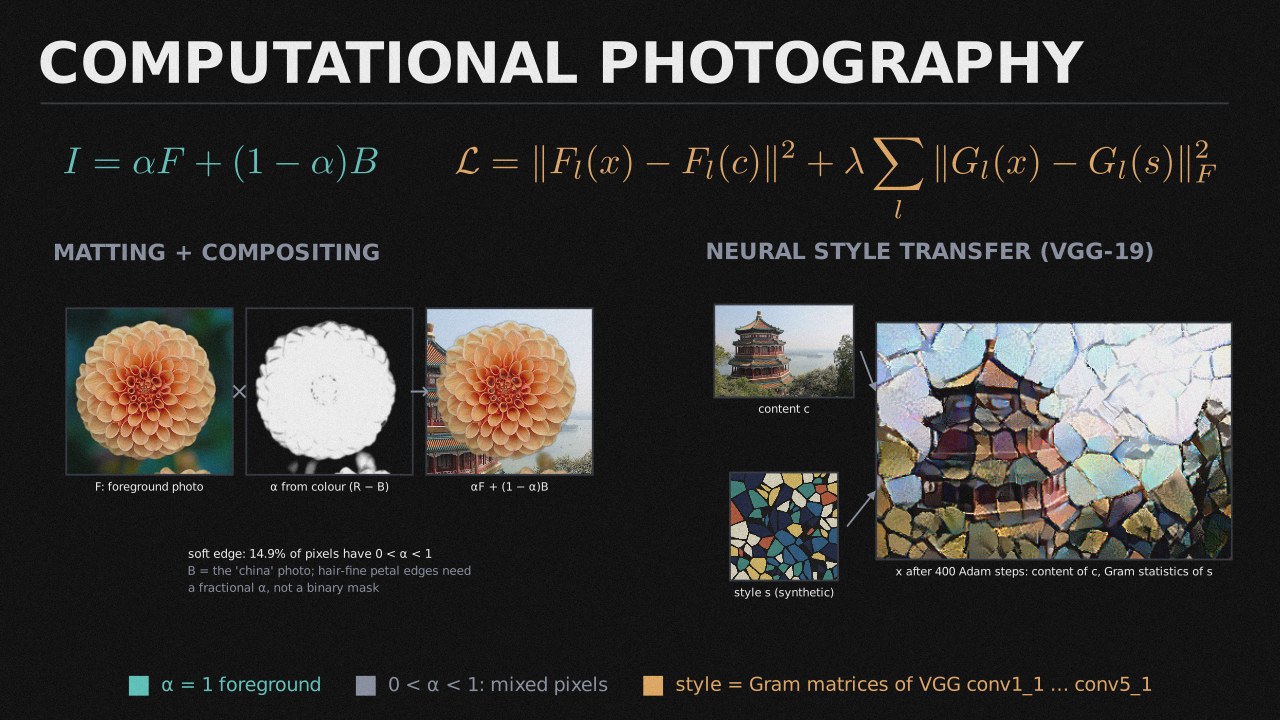
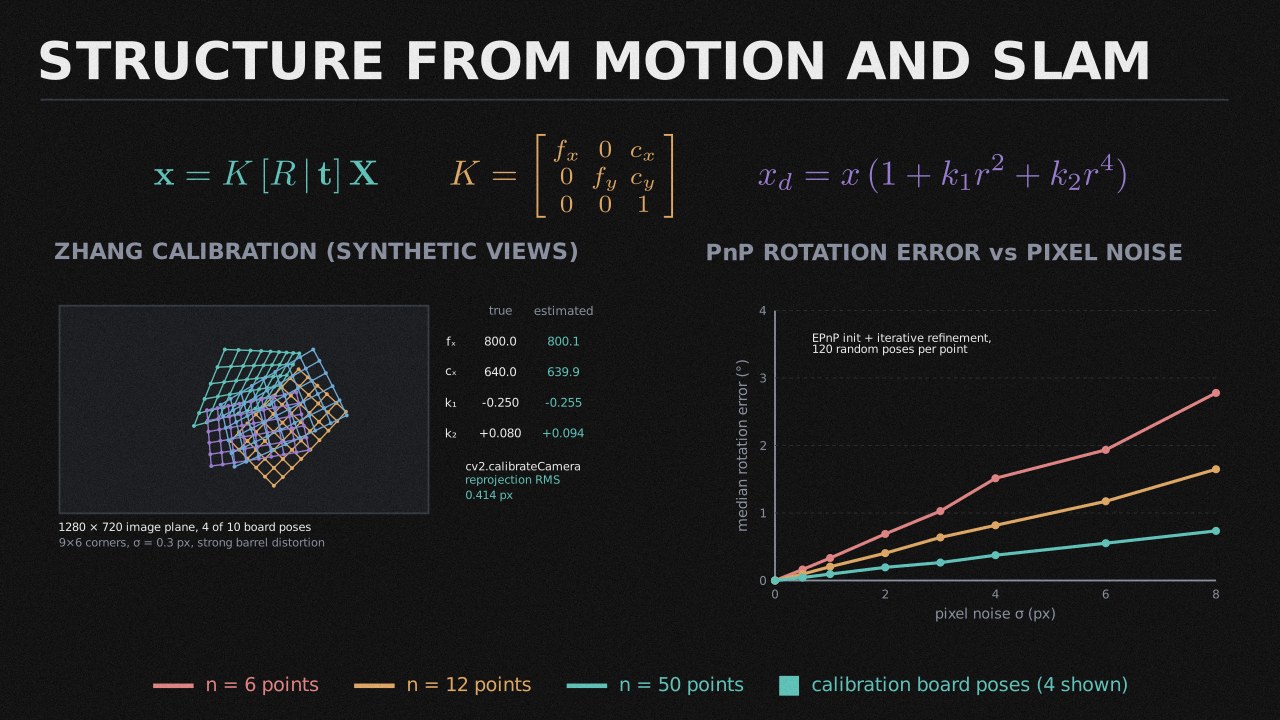
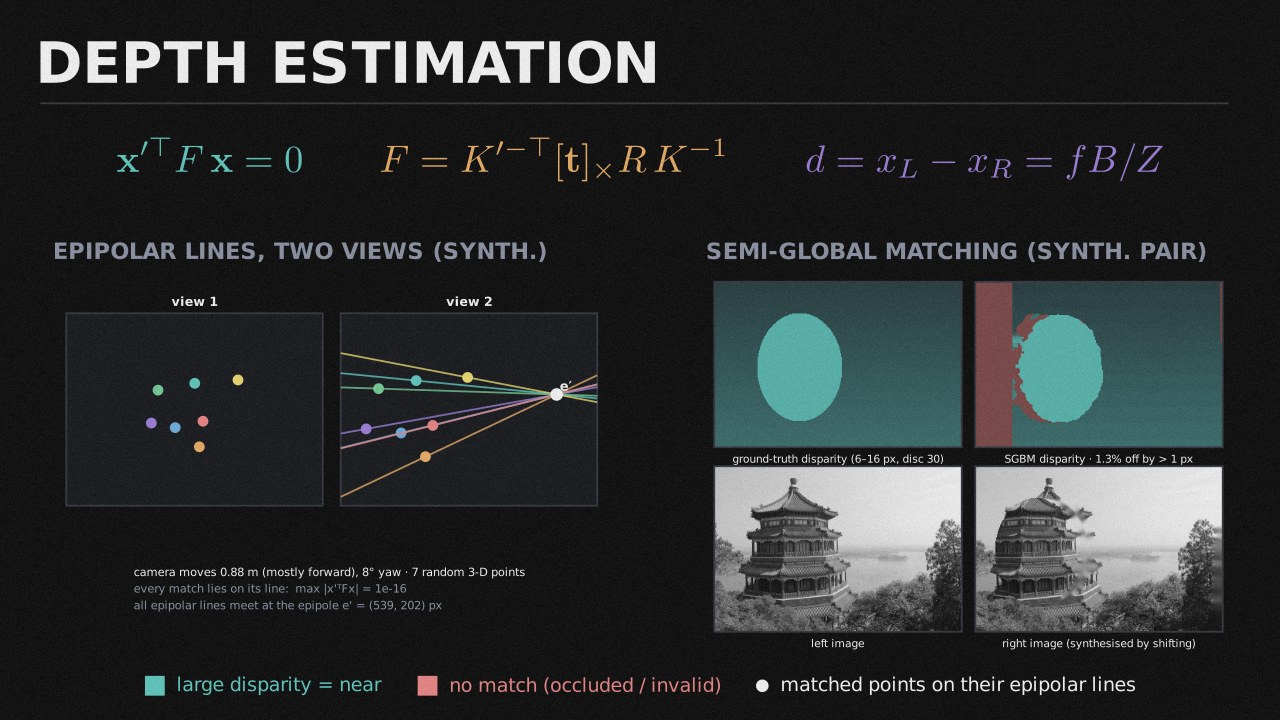
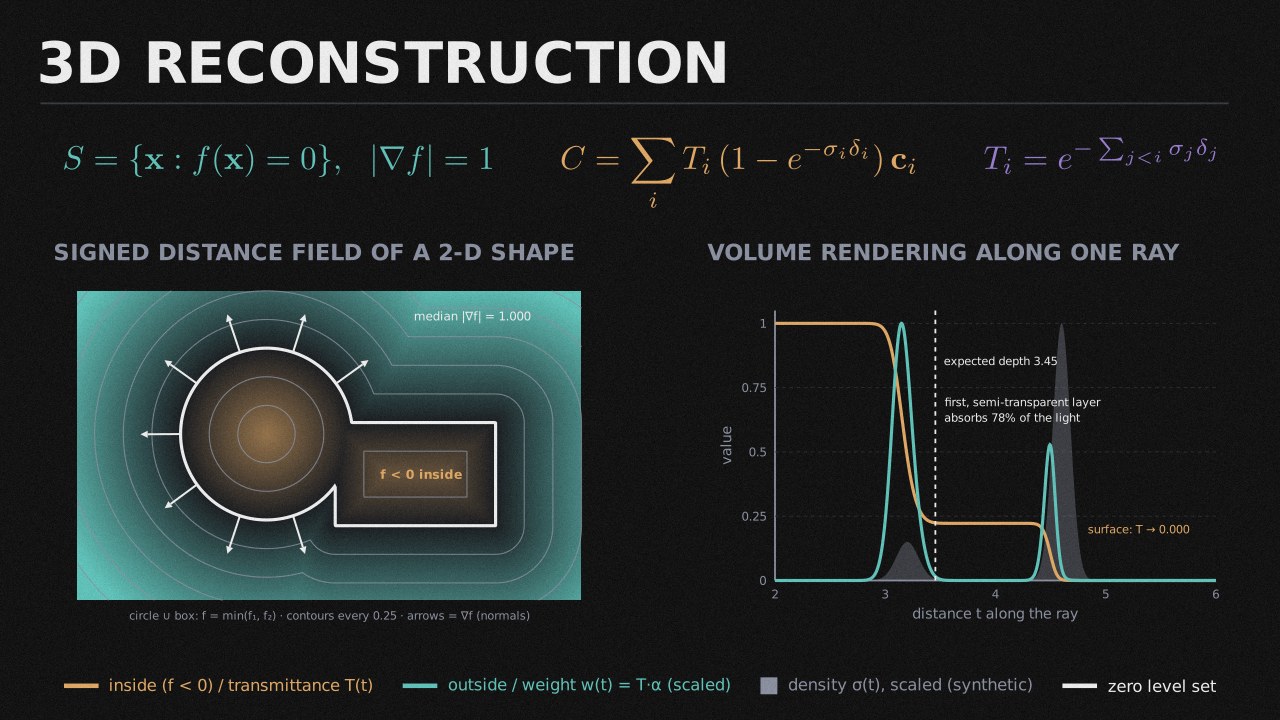
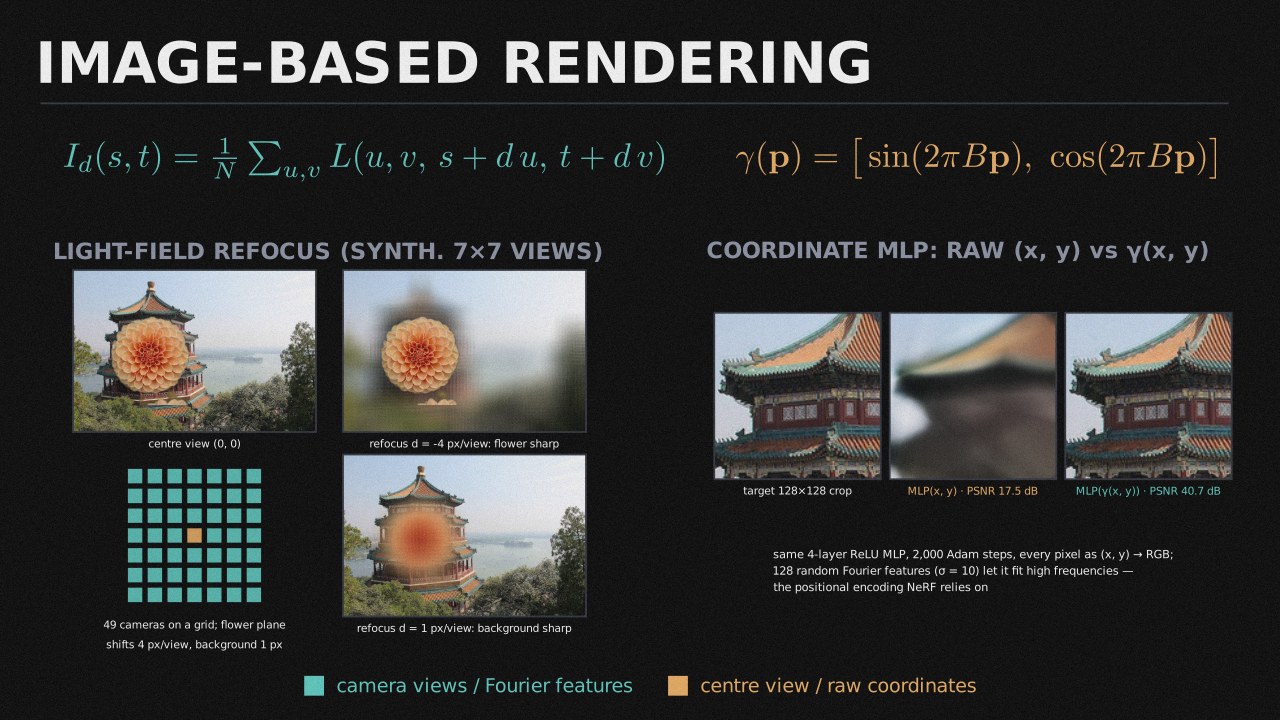
Weeks 9-14Ch 9-10: Motion & Comp. PhotographyCh 11-14: 3D Vision & RenderingSLAM, depth estimation, neural rendering
Tip: Each chapter includes interactive demos, theory exercises, and practice problems.
Pro chapters (5-14) require a premium subscription.
Chapters
7 of 14 chapters free. The rest unlock with Pro.
Foundations
Ch 1-3 · 45 min
Core Methods
Ch 4-6 · 45 min
Features & Motion
Ch 7-9 · 45 min
Advanced Vision
Ch 10-12 · 45 min
3D & Rendering
Ch 13-14 · 45 min
Practice
Problem sets that drill this plan's topics.
Computer Vision 1
Camera models, stereo vision, feature detection, and image processing fundamentals.
Computer Vision 2
Edge detection, color spaces, morphological operations, segmentation, and filtering.
CV System Design 1
Design real-world computer vision systems — architecture, trade-offs, and multi-choice quizzes.
CV System Design 2
Advanced CV system design challenges covering deployment, scalability, and production pipelines.