Where Vision Meets Language
Vision Language Models Study Plan
A comprehensive 10-week curriculum covering Vision Language Models from CLIP and vision encoders to LLaVA, LoRA fine-tuning, and deploying frontier VLMs.
10
chapters
67
topics
5
free chapters
01
The path
4 phases, in the order we recommend.
- 1
- 2
Foundations
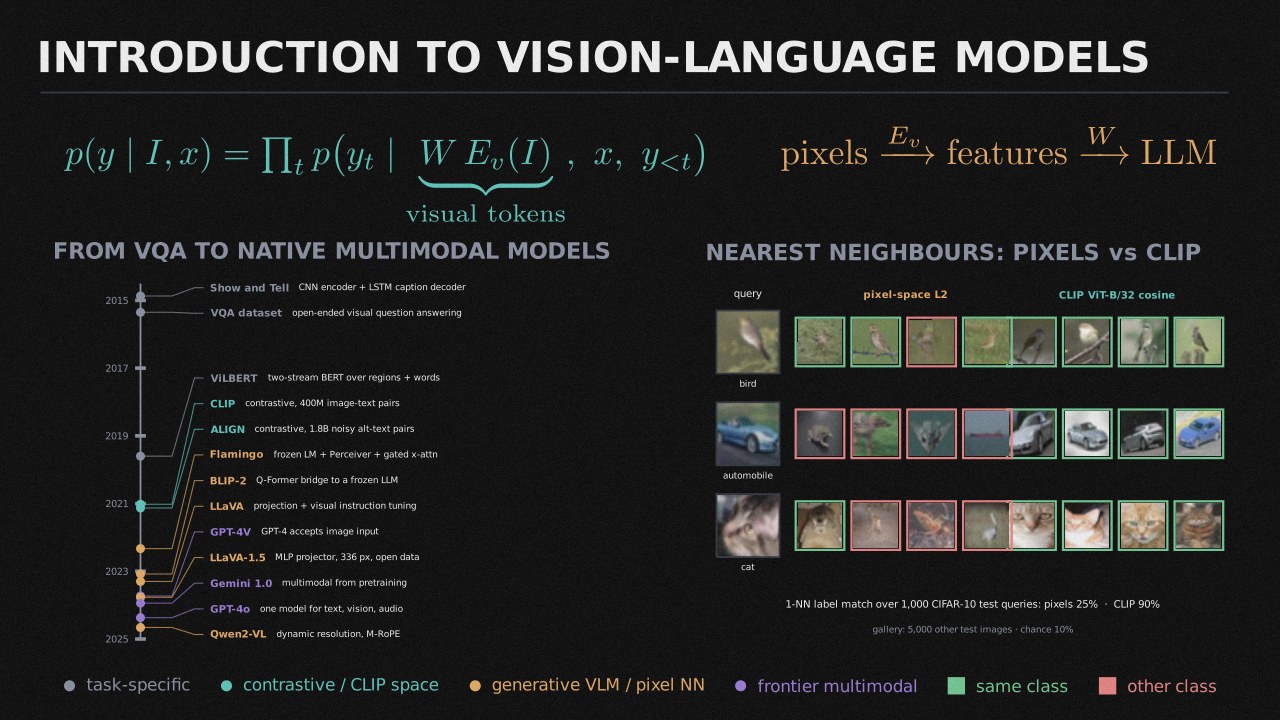
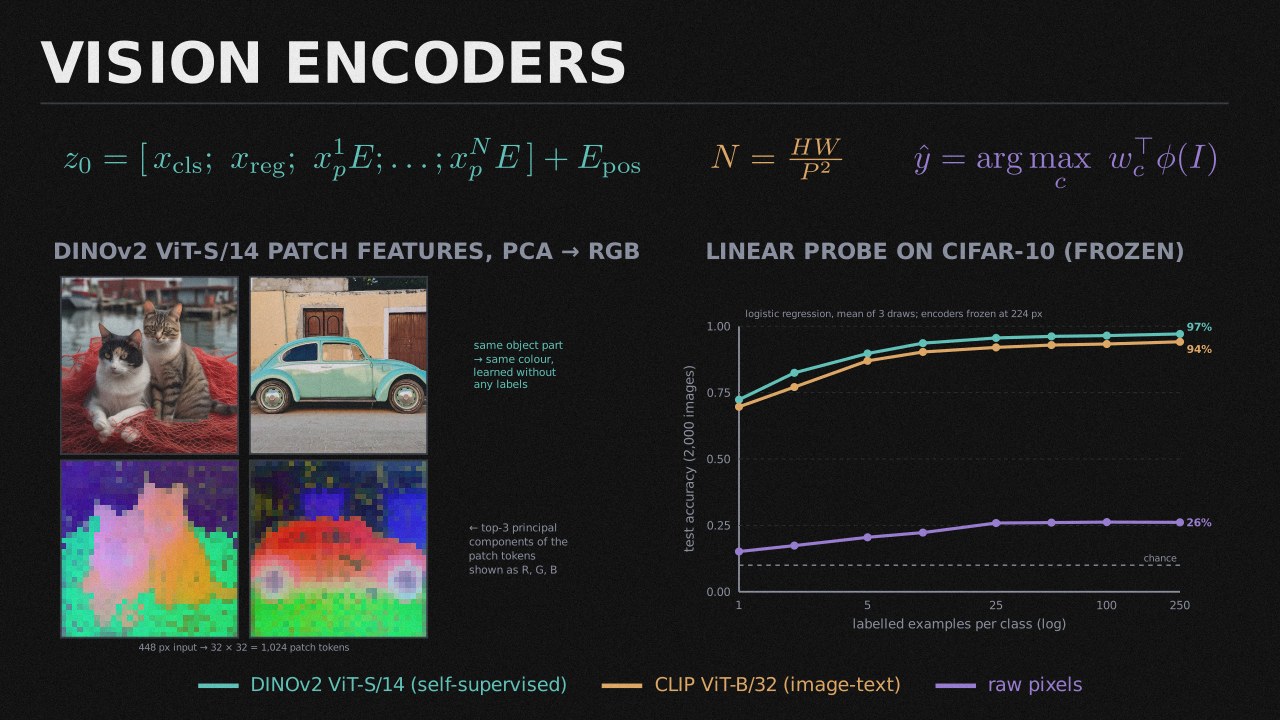
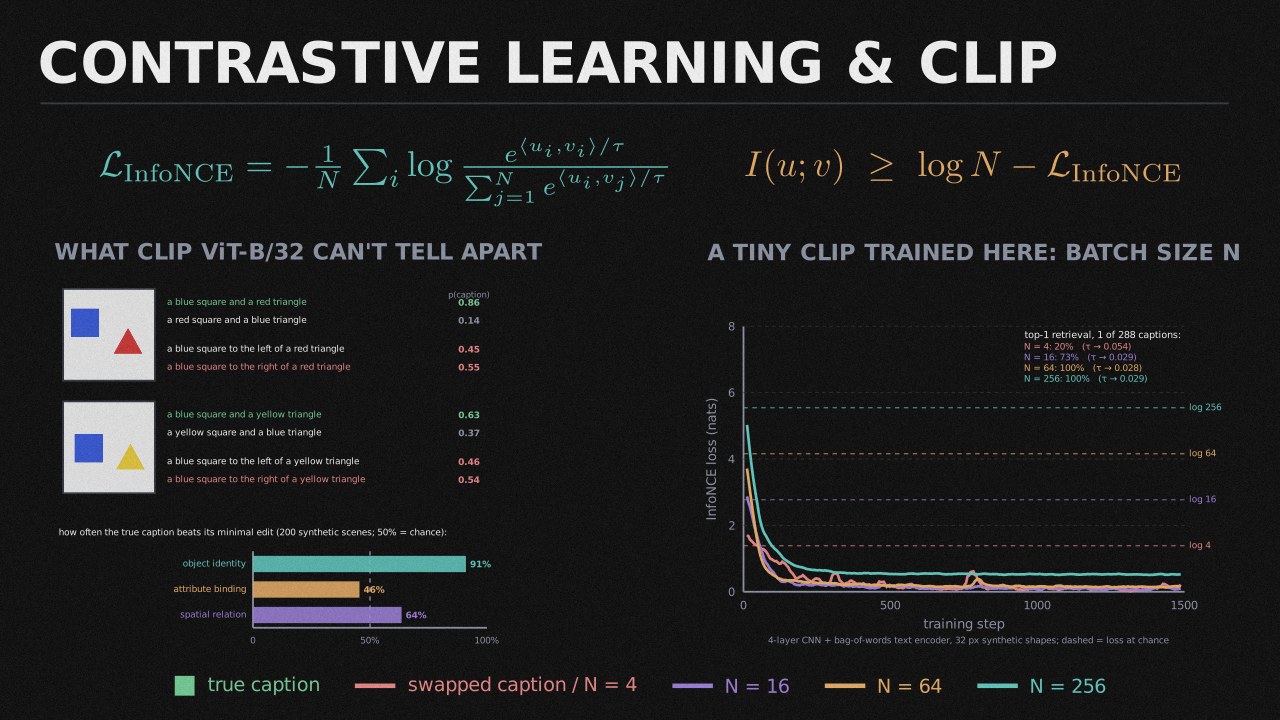
Weeks 1-2Ch 1: Intro to VLMsCh 2: Vision EncodersViT, CLIP, SigLIP, vision backbones
- 3
Core Training
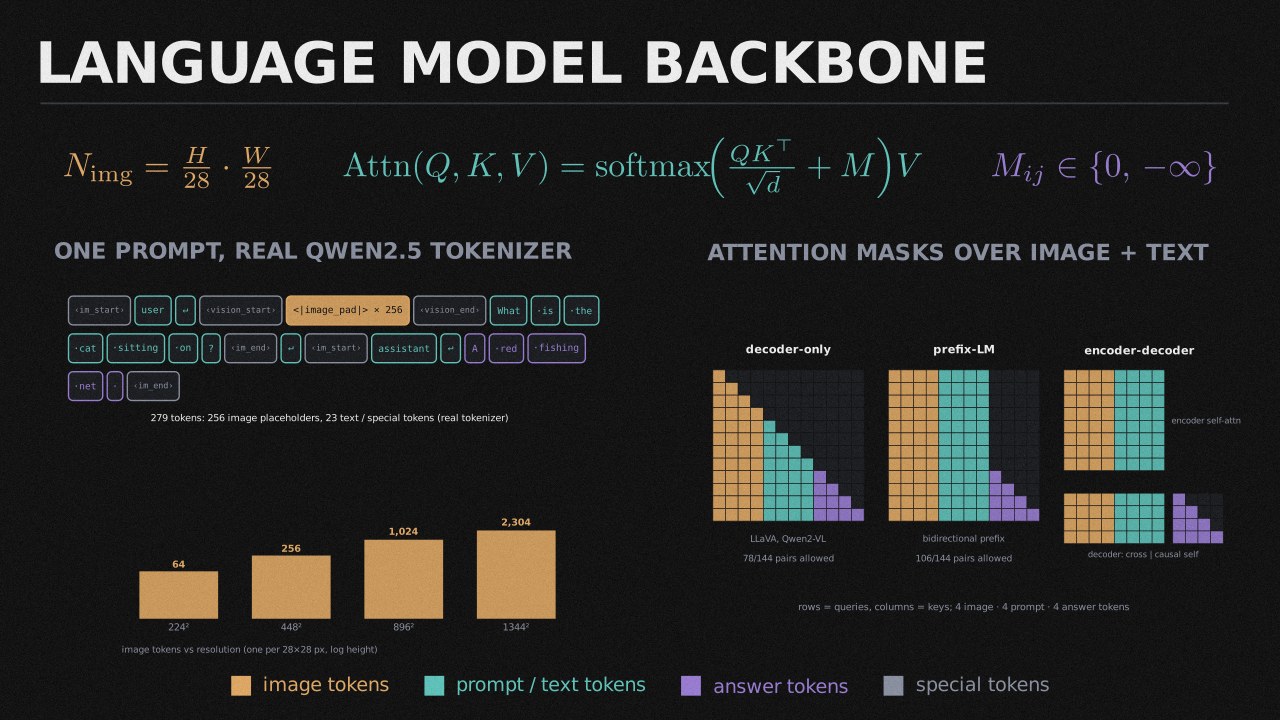
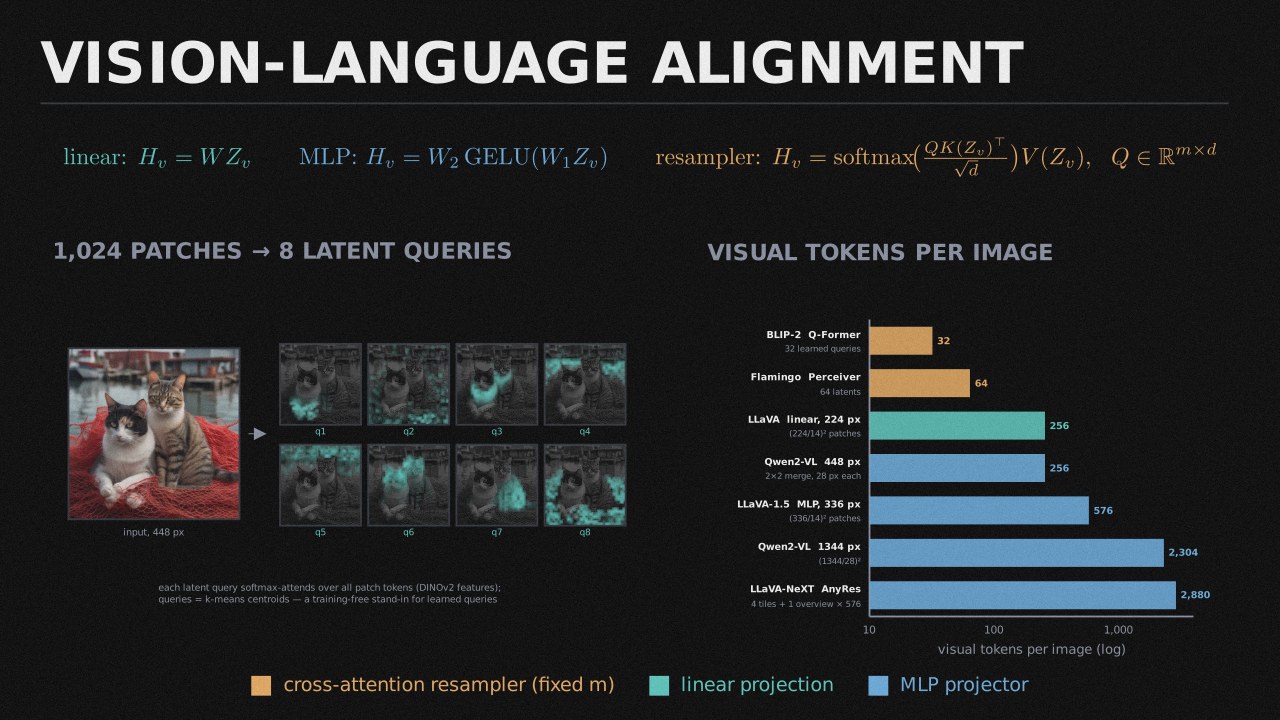
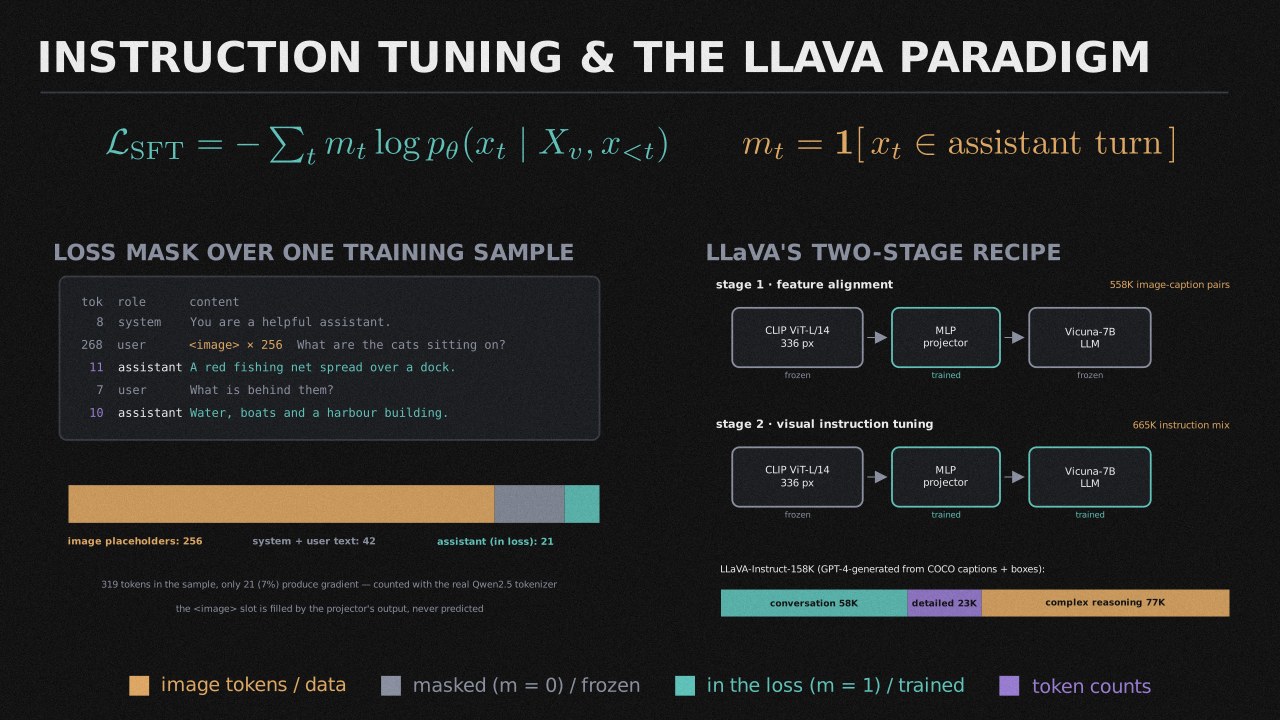
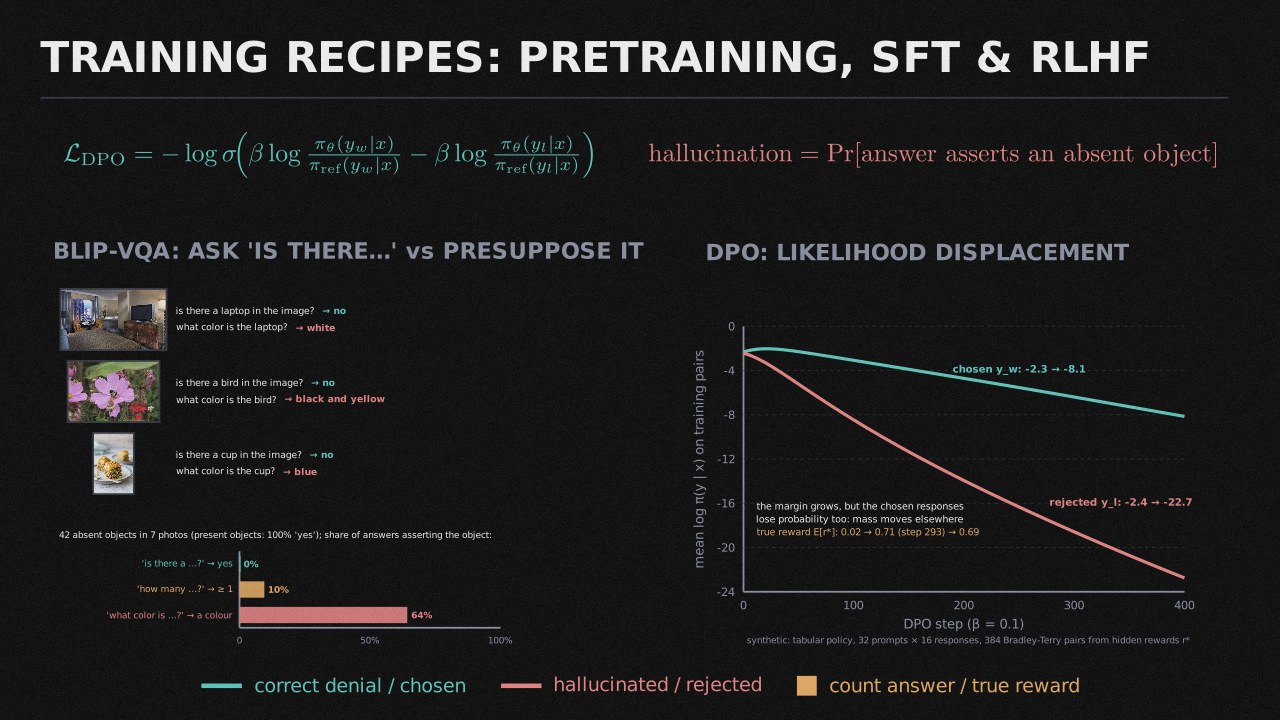
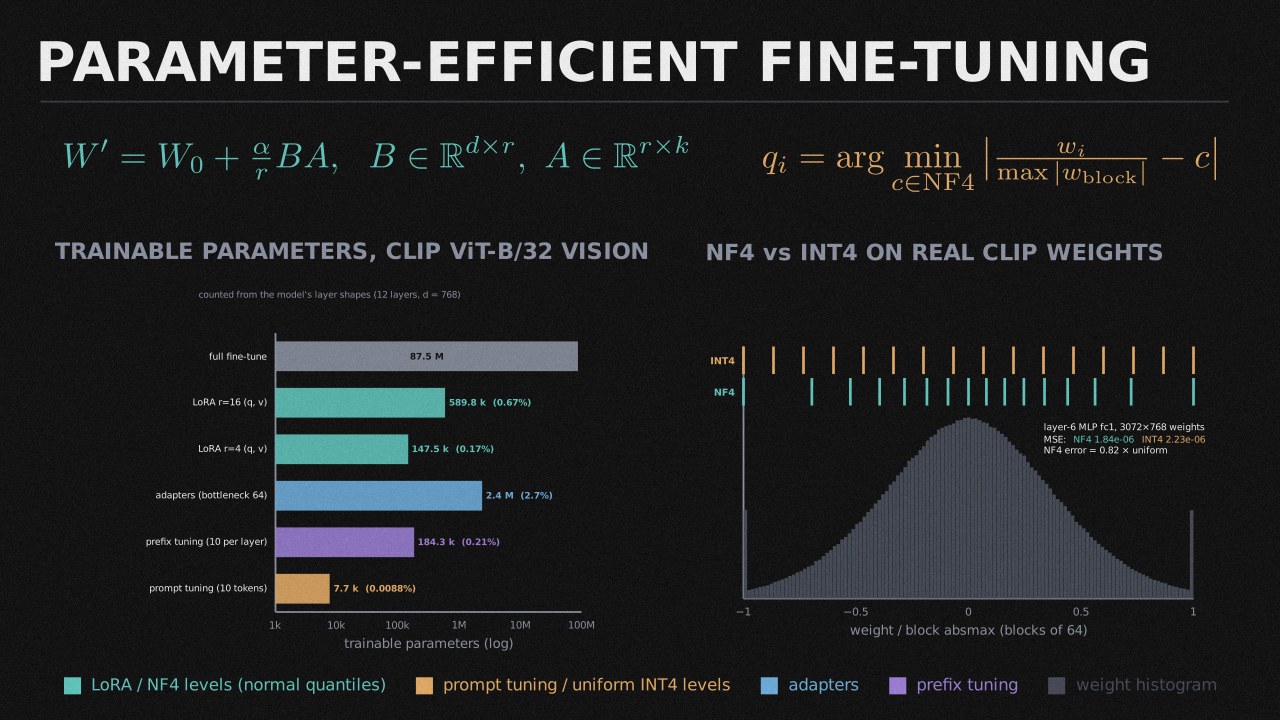
Weeks 3-8Ch 3-6: Architecture & TrainingCh 7-8: RLHF, LoRA & Fine-tuningLLaVA, CLIP, DPO, QLoRA, adapters
- 4
Applications
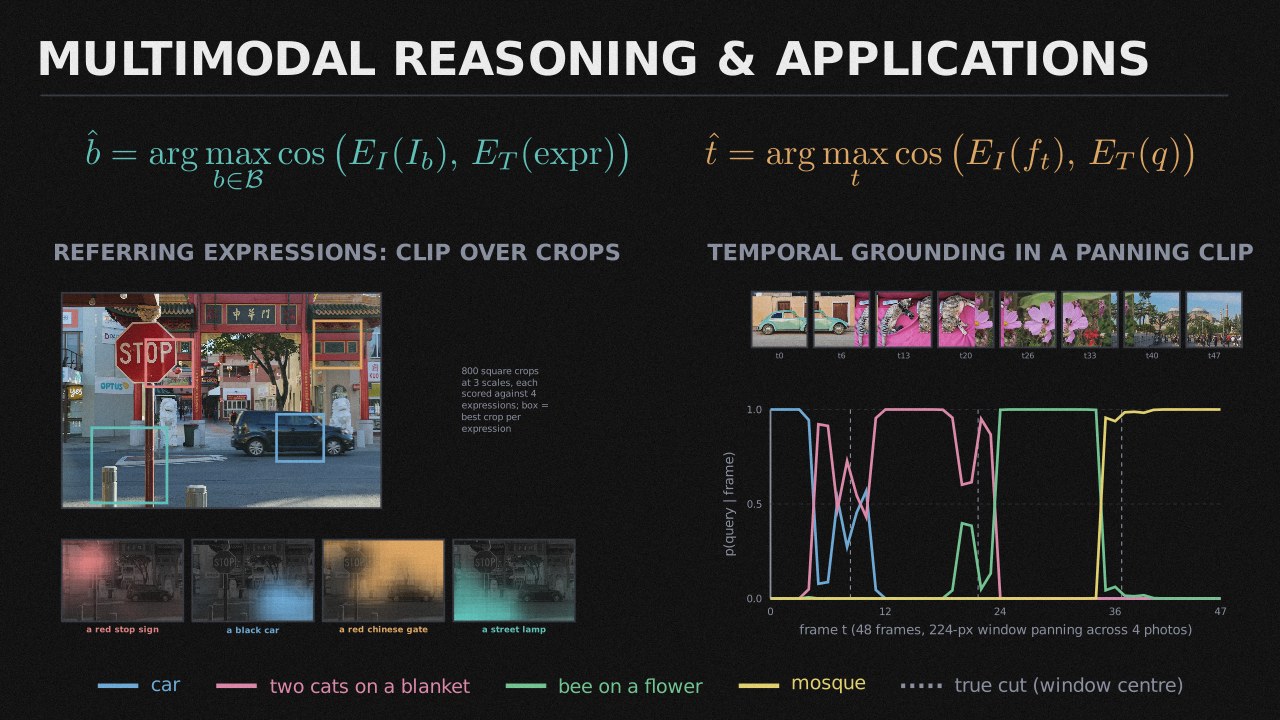
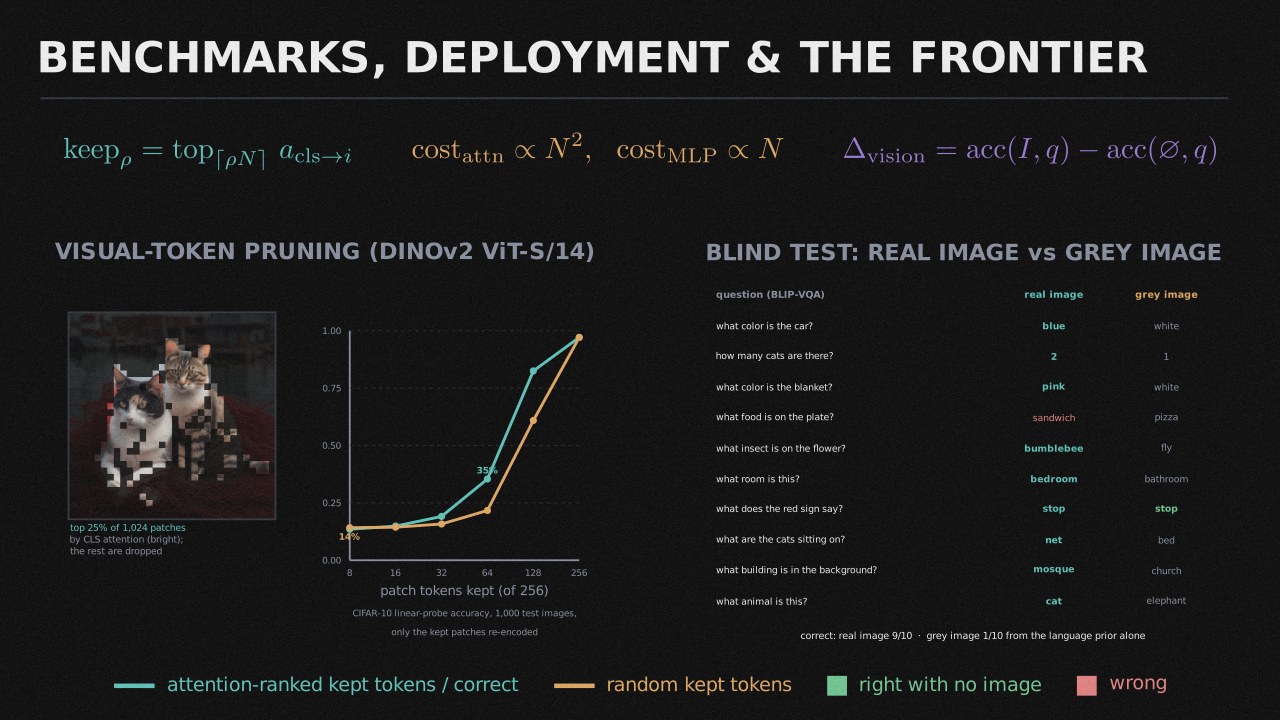
Weeks 9-10Ch 9: Reasoning & ApplicationsCh 10: Deployment & FrontierVisual agents, GPT-4o, Gemini, serving
Tip: Each chapter includes interactive demos and theory exercises.
Pro chapters (3-10) require a premium subscription.
02
Chapters
5 of 10 chapters free. The rest unlock with Pro.
03
Practice
Problem sets that drill this plan's topics.
VLM 1: Vision-Language Models
Implement the encoders, contrastive objectives and bridge modules the plan covers.
Patch Embedding & Visual TokensContrastive Objectives: CLIP and SigLIPRetrieval & Zero-Shot Transfer+2
5 topicsView problems→
Curriculum designed to take you from vision-language fundamentals to production-ready multimodal systems.