Infrastructure & Deployment for AI/ML Engineers
Systems & Networking
From networking basics to production MLOps — learn to deploy, scale, and monitor ML systems with industry-standard tools like Docker, Kubernetes, and AWS.
8
chapters
65
topics
4
free chapters
01
The path
4 phases, in the order we recommend.
- 1
Networking & Linux
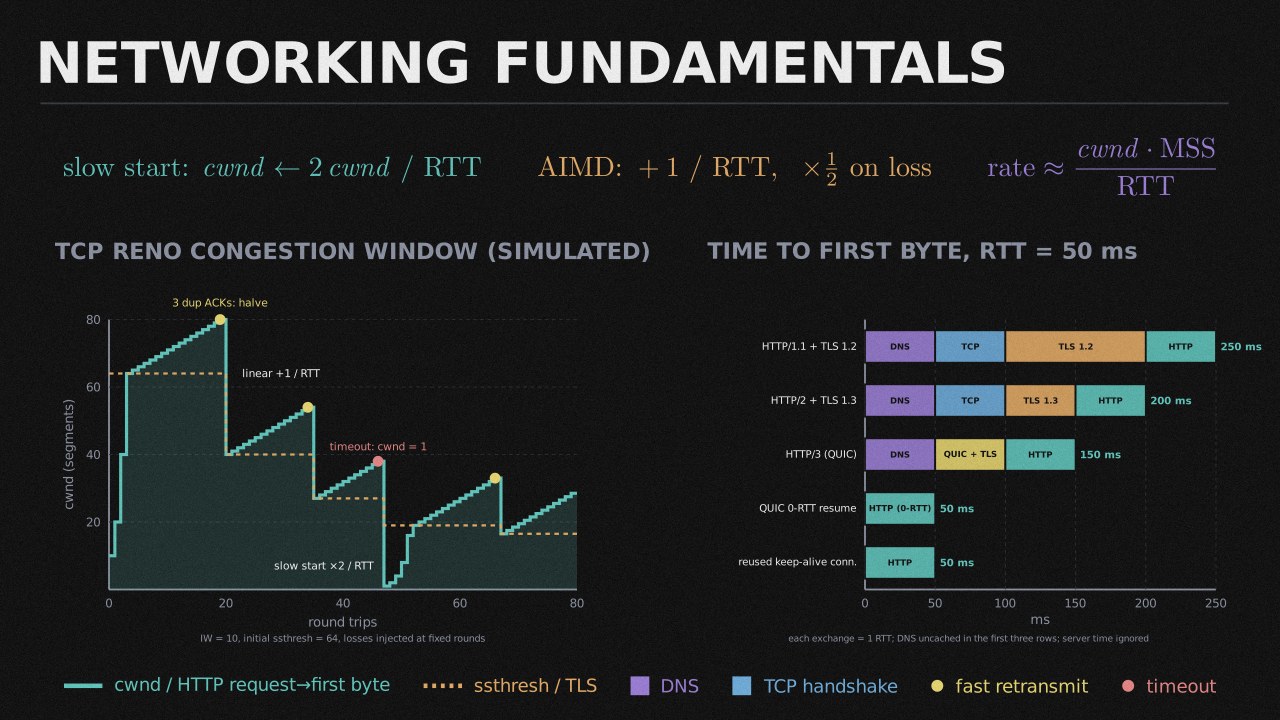
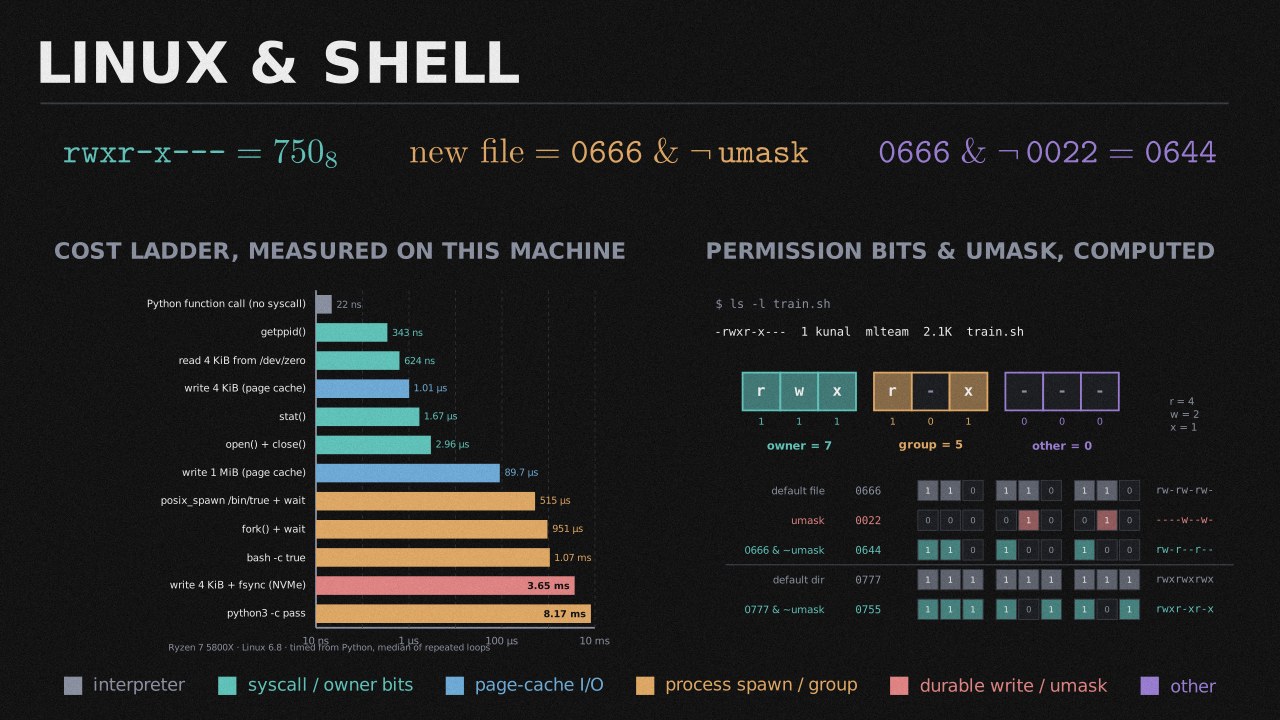
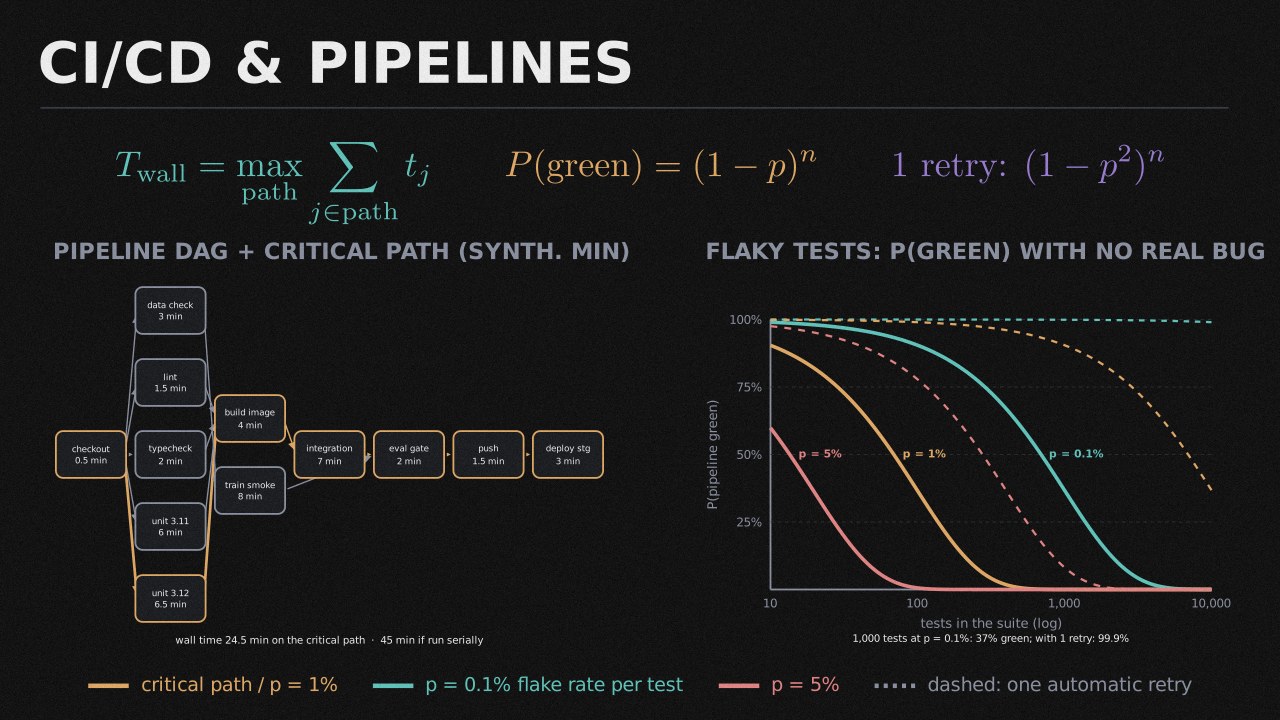
Chapters 1-2Ch 1: Networking FundamentalsCh 2: Linux & ShellTCP/IP, HTTP, DNS, SSH, shell scripting
- 2
Containers & Cloud
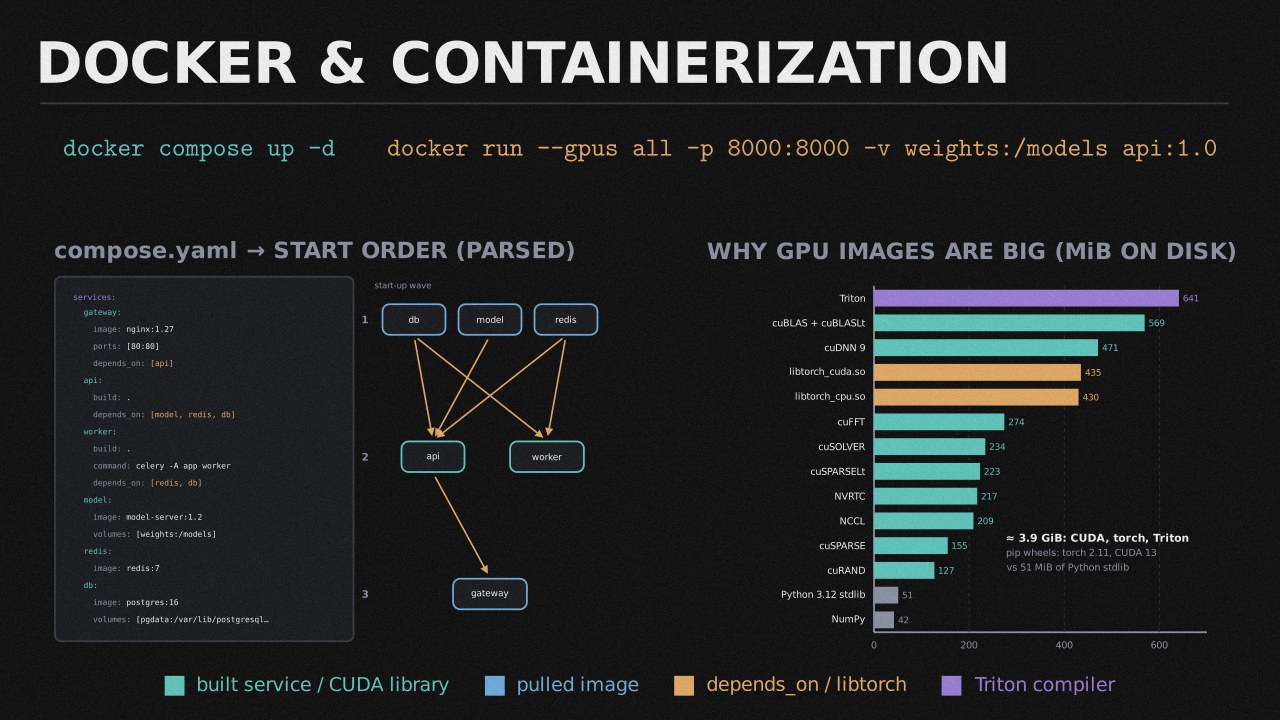
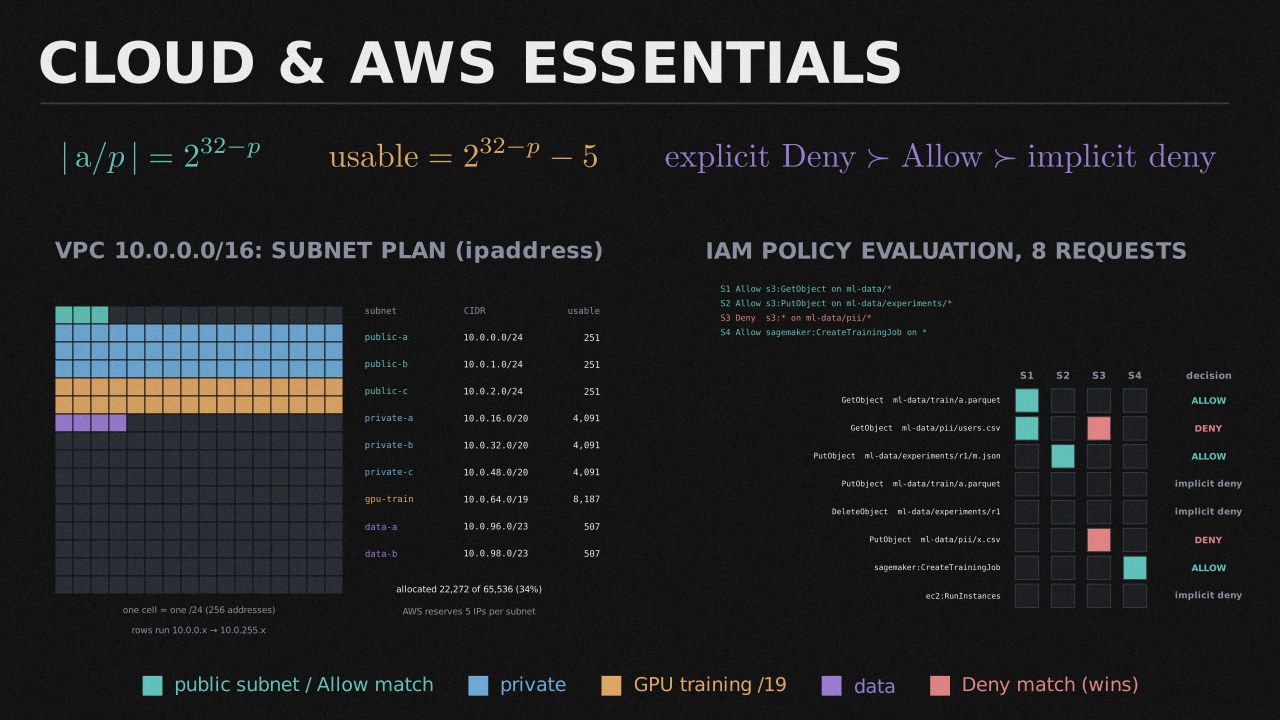
Chapters 3-4Ch 3: Docker & ContainerizationCh 4: Cloud & AWS EssentialsDockerfiles, EC2, S3, IAM, SageMaker
- 3
CI/CD & Orchestration
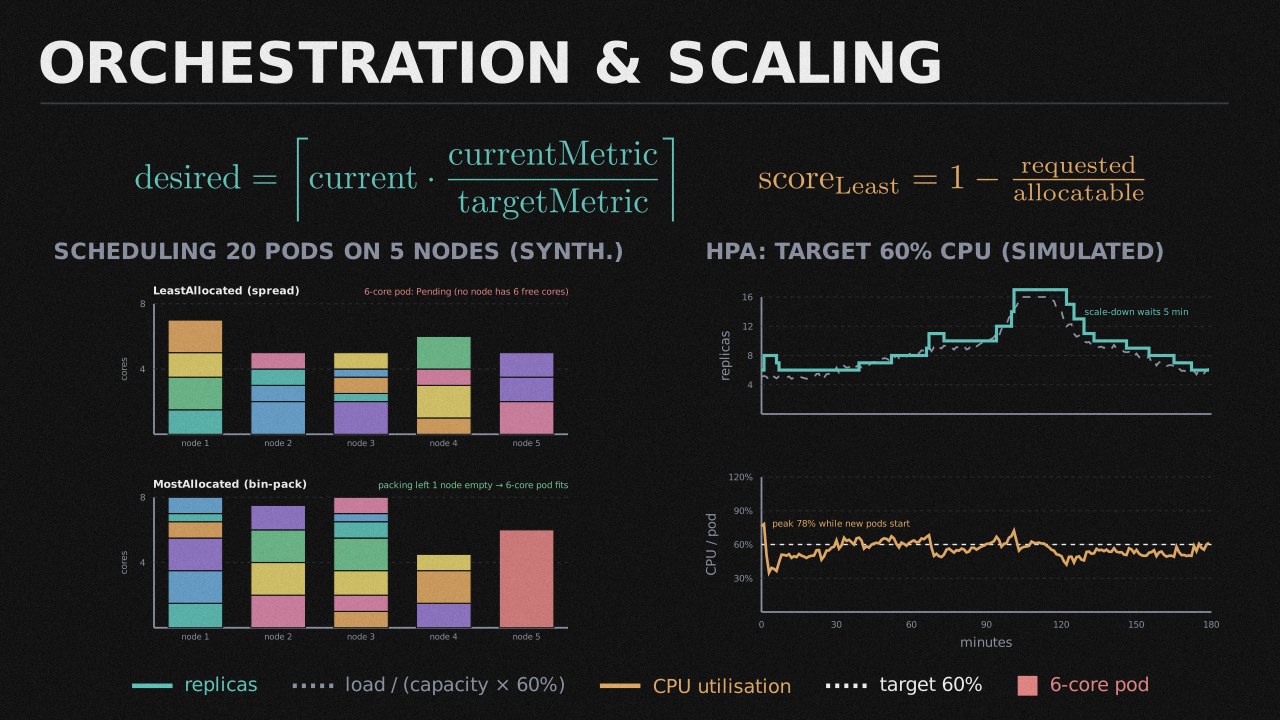
Chapters 5-6Ch 5: CI/CD & PipelinesCh 6: Orchestration & ScalingGitHub Actions, Kubernetes, Helm, EKS
- 4
ML Infra & Monitoring
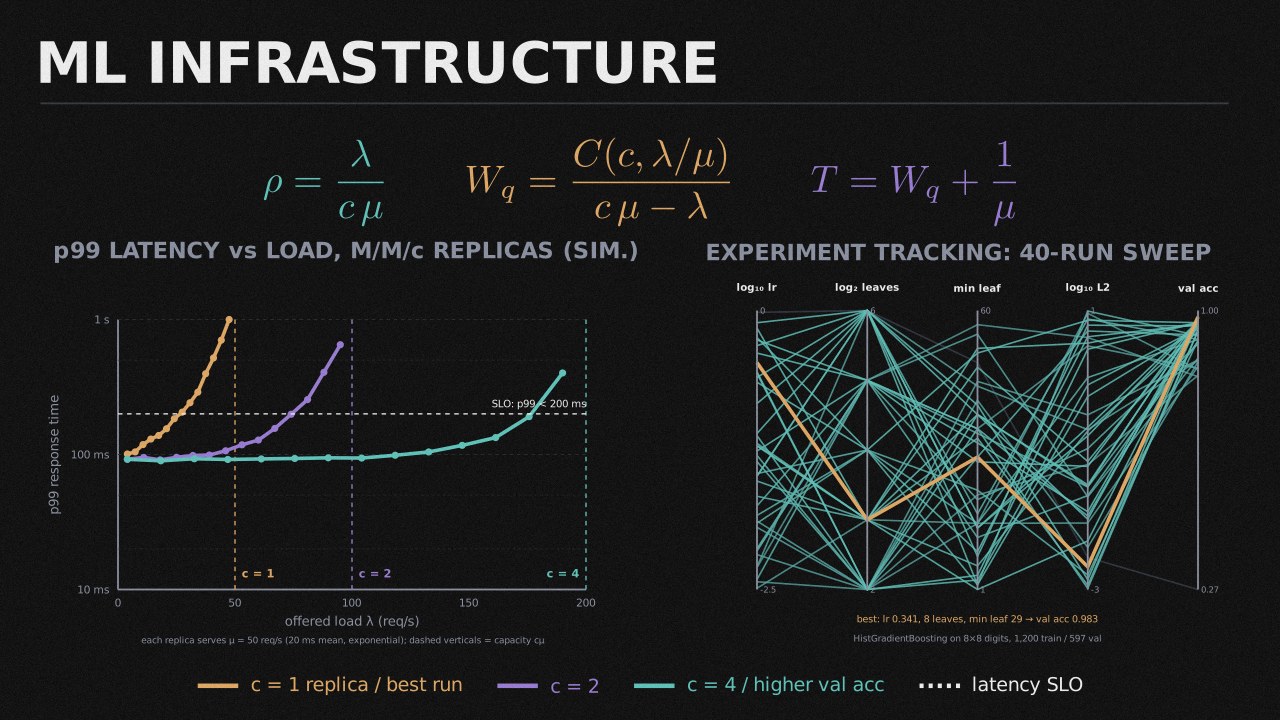
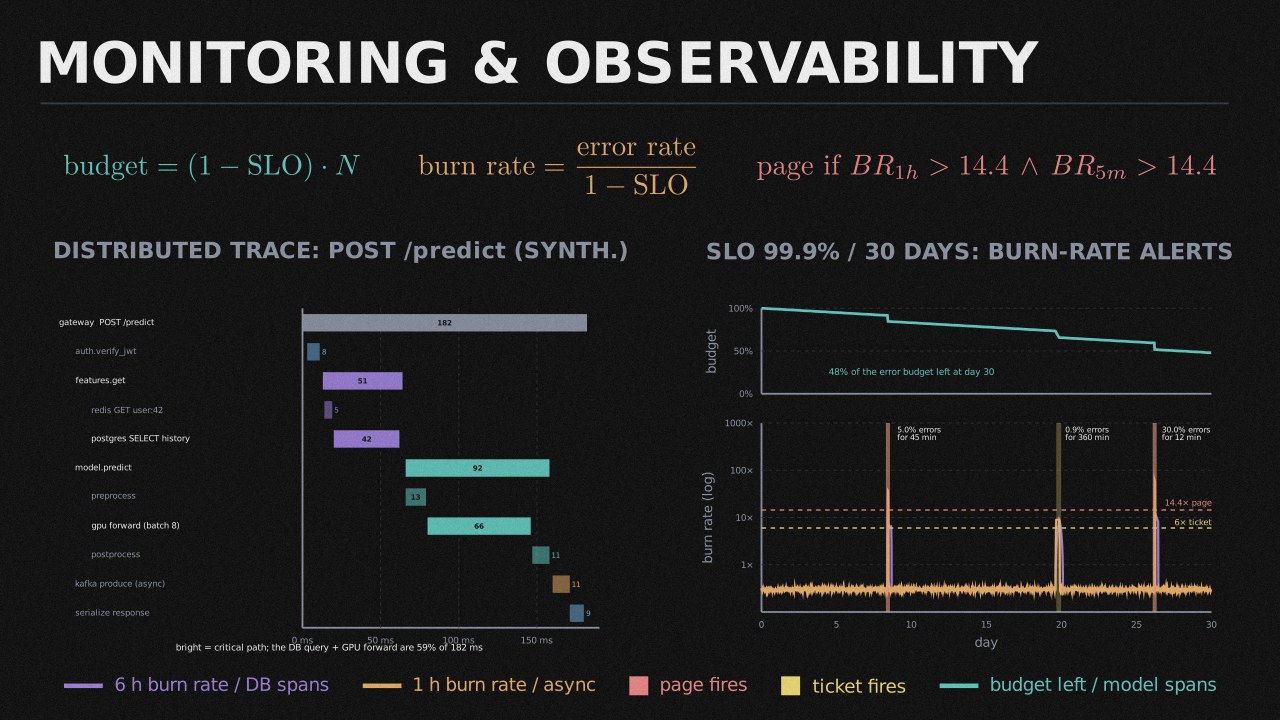
Chapters 7-8Ch 7: ML InfrastructureCh 8: Monitoring & ObservabilityFastAPI, Triton, Prometheus, Grafana
Chapters 1-4 are free. CI/CD, K8s, ML Infra, and Monitoring require Pro.
Each topic includes real-world tools and hands-on walkthroughs.
02
Chapters
4 of 8 chapters free. The rest unlock with Pro.
03
Practice
Problem sets that drill this plan's topics.
ML Systems & Infrastructure 1
Reason about images, scheduling, networking, SLOs and pipelines in code.
Container Images & BuildsKubernetes Scheduling & RolloutsNetworking & Addressing+2
5 topicsView problems→